

A Safe Bridge After the Hospital: Short-Term Memory Care at The Oasis at Dodge Park
Most families expect a smooth hospital discharge, but caring for a loved one with dementia after surgery often feels overwhelming. Finding short-term memory care that offers both safety and comfort can ease that heavy burden. At The Oasis at Dodge Park, families in Worcester trust a secure, faith-inclusive environment where recovery is guided with compassion and expert support. For more information on post-hospital recovery options, you can visit this resource.
Understanding Short-Term Memory Care

A loved one’s return from the hospital can be a delicate time, especially when dementia is part of the equation. It’s crucial to find a place where they feel safe and supported. This is where short-term memory care steps in, offering a haven of stability and understanding.
Post-Hospital Recovery Essentials
When your loved one comes home, the days following are critical. They’ll need more than just medical attention; they’ll need a comforting environment. Short-term memory care centers focus on creating this sense of home while addressing medical needs. The staff ensures they are not just seen but truly understood. A personalized approach helps manage pain, monitor health, and prevent readmissions. This level of care can make a significant difference in their recovery journey.
Secure Memory Care Facility Features
Safety and comfort go hand in hand at these facilities. Imagine a place that looks and feels like home but with expert care available around the clock. This kind of care includes friendly faces, familiar routines, and secure surroundings. With trained staff, residents navigate their days with ease, reducing confusion and stress. The peace of mind knowing your loved one is in good hands is priceless.
Faith-Inclusive Senior Living
Spiritual well-being plays a crucial role in recovery. At The Oasis at Dodge Park, residents are encouraged to continue their spiritual practices. This support is integrated into daily life, offering a holistic approach to health. Whether it’s joining a prayer group or having quiet reflection time, these practices help nurture the soul and provide a sense of peace.
Personalized Care Transition Planning
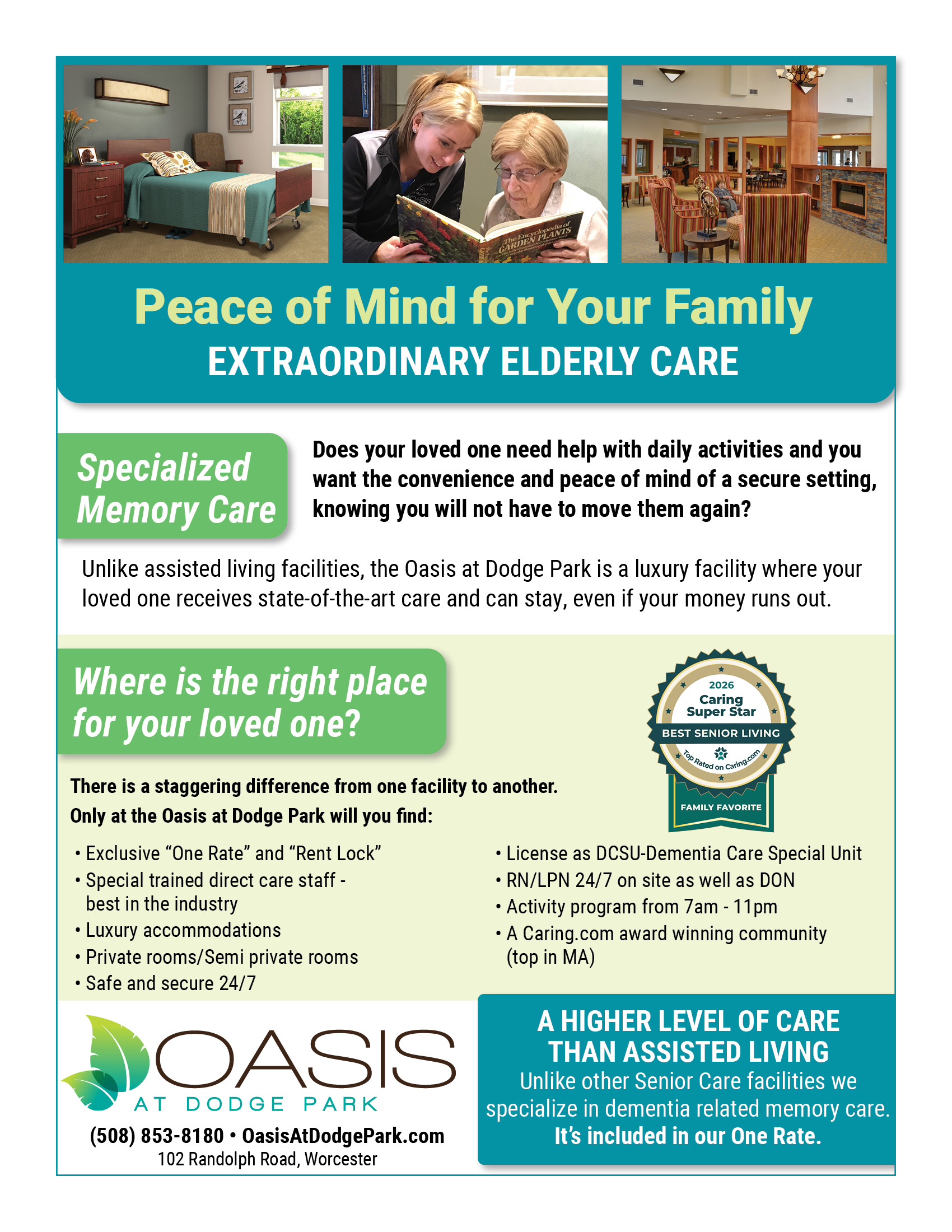
Transitioning from the hospital can be overwhelming. Personalized care transition planning ensures that your loved one’s needs are met every step of the way.
Respite Care in Worcester
Respite care is more than a break; it’s a crucial support system. In Worcester, options are available that offer both short-term relief for caregivers and a stable environment for loved ones. This can be a lifeline for families juggling various responsibilities. Knowing that help is just around the corner can ease anxiety and provide much-needed support.
Coordination with Rehabilitation Providers
Coordinating care with rehabilitation providers ensures a seamless recovery process. By working together, these providers create a comprehensive care plan tailored to your loved one’s needs. This collaboration allows for a smoother transition from hospital to home, minimizing the risk of setbacks. For more details, visit this article on rehabilitation coordination.
24-Hour Supervised Care Benefits
Around-the-clock care offers peace of mind. With trained professionals on hand, any changes in health are quickly addressed. This provides a safety net, ensuring your loved one is never alone in their recovery journey. Knowing help is always available brings comfort to both residents and their families.
Supporting Families and Caregivers
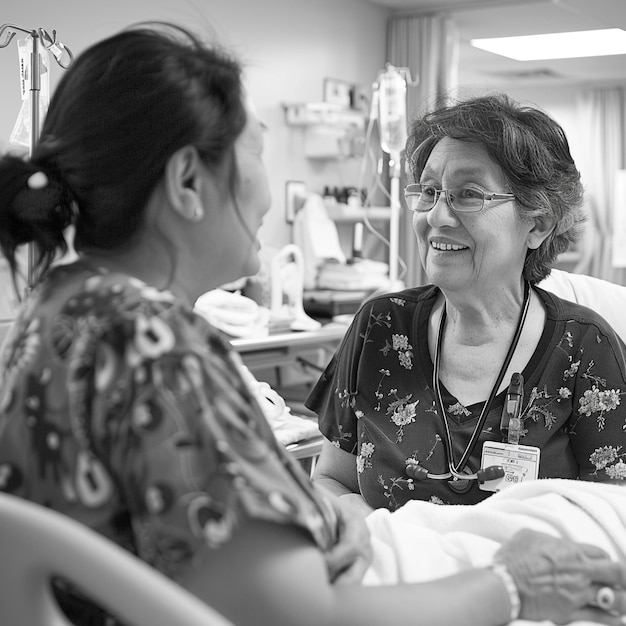
Caring for someone with dementia requires support for both the individual and their family. Finding the right resources can make all the difference.
Family Caregiver Support Strategies
Support strategies for caregivers include education, respite care, and community resources. By building a network of help, caregivers can find balance and maintain their well-being. Sharing experiences with others facing similar challenges can be both enlightening and comforting.
Creating a Confident Return Home
Returning home after a hospital stay is a significant step. Creating a plan that includes home modifications, professional help, and ongoing support can ease this transition. A confident return home means anticipating needs and being prepared to address them as they arise.
Emotional Support and Community Engagement
Emotional support is vital for both the individual and their family. Engaging with a community that understands the journey can provide strength and encouragement. Activities, support groups, and spiritual services offer a sense of belonging and hope. This community connection can transform the experience from one of isolation to one of support and shared strength.
By understanding the importance of short-term memory care and utilizing these resources, families can navigate the complexities of post-hospital recovery with confidence and peace of mind.