
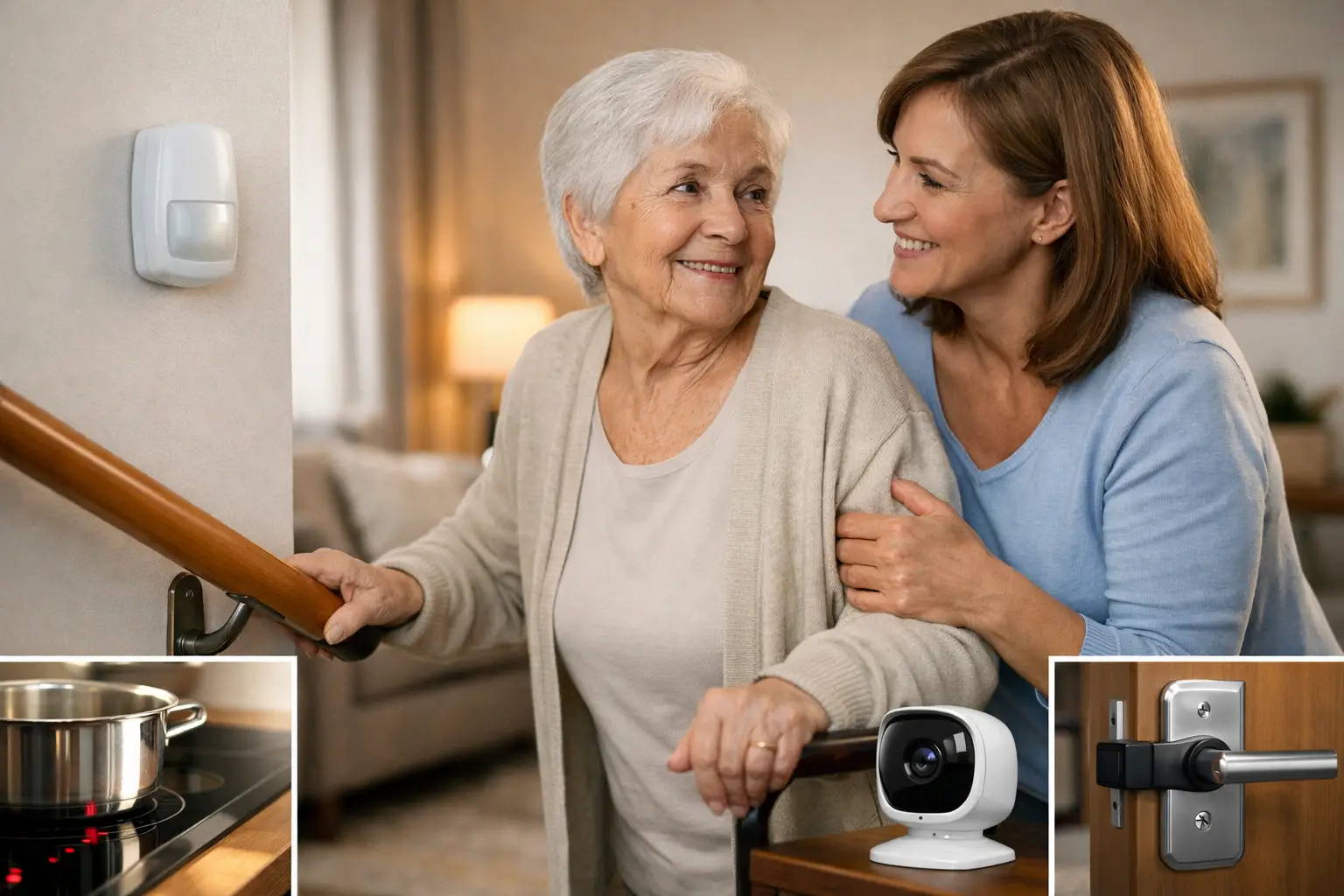
A fall near the stairs, a stove left on, or a loved one walking out the door confused and alone can turn a manageable day at home into a crisis. The top dementia safety features are not simply locks, alarms, and emergency plans. They are the layers of thoughtful supervision, specialized design, and experienced care that help a person with memory loss live with greater comfort and dignity.
For families considering residential care, safety should never be judged by a single feature or a polished lobby. The right setting brings together a secure environment, responsive staff, medical oversight, and routines that reduce distress before it becomes an emergency.
Top Dementia Safety Features Start With 24-Hour Supervision
Dementia does not follow a schedule. Confusion, wandering, pain, agitation, or a need for help in the bathroom can arise overnight just as easily as during the day. That is why around-the-clock supervision is often the most meaningful safety feature a family can evaluate.
In a specialized memory care setting, staff should be present and attentive at all hours, not simply available by phone or assigned to another part of a large campus. Families should ask who is awake overnight, how frequently residents are checked, and what happens when a resident becomes disoriented or needs immediate assistance.
Consistent staffing also matters. Caregivers who know a resident’s normal routine are more likely to recognize a subtle change, such as skipped meals, new weakness, increased confusion, or withdrawal. These changes may signal an infection, medication concern, dehydration, or another medical issue that needs prompt attention.
A Secure Building Must Still Feel Like Home
Wandering is common in Alzheimer’s disease and other forms of dementia. A person may believe they need to go to work, pick up a child from school, or return to a home from decades ago. This behavior is not defiance. It is often an attempt to make sense of a confusing moment.
Effective dementia safety design prevents unsafe exits while avoiding an institutional feel. Look for controlled entrances and exits, secured outdoor spaces, monitored doors, and a layout that allows residents to move about without encountering dangerous areas. Stairways, kitchens, utility rooms, medication storage, and exterior doors should have appropriate safeguards.
The best environments also support safe movement rather than trying to stop it. Wide, well-lit hallways, clear paths, handrails, non-slip flooring, and familiar visual cues can help reduce falls and frustration. A resident who can walk safely through a calm, home-like setting often feels less confined than one who is repeatedly redirected in a confusing space.
Fall Prevention Is More Than Grab Bars
Falls are a serious concern for older adults, particularly when memory loss is combined with poor balance, vision changes, arthritis, medication side effects, or urgency to use the bathroom. Grab bars and handrails are useful, but they are only part of the plan.
Strong fall prevention includes staff who can assist with transfers and personal care, appropriate lighting day and night, uncluttered rooms, safe footwear guidance, and regular attention to changes in mobility. A care team should also consider whether a resident’s medications, hydration, nutrition, or medical condition may be contributing to instability.
Ask how the community responds after a fall. Families deserve to know whether the team reviews what happened, contacts the appropriate medical professionals, updates the care plan, and communicates clearly with the family.
Nursing Oversight and Emergency Response Protect Health
Dementia care is not only about memory support. Many residents also live with diabetes, heart disease, high blood pressure, swallowing concerns, chronic pain, or reduced mobility. A setting may look safe on the surface but still fall short if it cannot identify and respond to health changes.
Licensed nursing oversight brings an additional level of protection for residents whose needs are greater than traditional assisted living can comfortably manage. Nursing staff can monitor health concerns, coordinate with physicians, oversee medications, and help families understand when a change in condition requires further evaluation.
Emergency preparedness should be clear and practiced. Staff need to know how to respond to a fall, a sudden illness, a missing resident, a fire alarm, severe weather, or a power interruption. Families should feel comfortable asking how emergency services are contacted, how residents are accounted for, and how loved ones are notified.
Medication Safety Requires Careful Systems
Medication mistakes can have serious consequences, especially for people who may forget a dose, take pills twice, or struggle to describe side effects. Safe medication management requires trained staff, secure storage, accurate administration procedures, and ongoing review.
It also requires attention to the person, not just the medication list. Some medications can increase dizziness, sleepiness, confusion, or fall risk. A knowledgeable care team notices when a resident seems different and works with the medical provider and family to address concerns.
Families should ask who manages medications, how new prescriptions are handled, and how the community communicates about changes. Clear answers are a sign that safety procedures are part of daily care, not an afterthought.
Meaningful Routine Can Prevent Safety Problems
A calm daily rhythm is an overlooked safety feature. When a person with dementia is bored, overstimulated, hungry, tired, or uncertain about what comes next, anxiety can build quickly. That anxiety may show up as pacing, exit-seeking, refusing care, or agitation.
Structured activities, regular meals, personal care routines, and opportunities for social connection provide reassurance. Activities should be adapted to residents’ abilities and interests, not treated as one-size-fits-all entertainment. Music, familiar household tasks, faith services, gentle exercise, conversation, and time outdoors can all support well-being when offered thoughtfully.
Dining is part of safety as well. Staff should be aware of dietary needs, hydration, weight changes, swallowing concerns, and whether a resident needs encouragement or assistance at meals. Good nutrition and fluids can affect energy, mobility, mood, and overall health.
Questions Families Should Ask During a Tour
A tour should help you see how safety works in real life. Notice whether staff greet residents by name, whether hallways are calm and clean, and whether residents appear engaged and comfortable. Observe how caregivers respond when someone needs help.
Ask practical questions about overnight staffing, staff training in dementia care, medication management, fall response, wandering prevention, nursing availability, and communication with families. Also ask how the community handles increasing care needs. A person with dementia may need more support over time, and a care setting should have a realistic plan for aging in place whenever possible.
Cost transparency is another form of family security. Understand what is included, what may cost extra, and whether rates can change as care needs change. Families facing a difficult placement decision should not have to worry about surprise community, admission, or screening fees.
The Right Level of Care Makes Safety Personal
There is no single answer for every person with dementia. Someone who is physically independent but frequently wanders may need a different environment than someone with limited mobility, complex medical conditions, or frequent nighttime confusion. The goal is to match care to the person’s current needs while preparing responsibly for what may come next.
For families in Worcester and Central Massachusetts, a specialized dementia care residence such as The Oasis at Dodge Park can offer a middle ground between standard assisted living and a traditional nursing home. Its model combines 24-hour supervision, licensed nursing oversight, and a secure home-like setting for people who need more than conventional assisted living can provide.
When you visit a community, trust both the details and your observations. The safest choice is one where your loved one is known, supervised, treated with patience, and supported by a team prepared for the realities of memory loss.